Diplomatic Foundations Morphing the Geoeconomics of the GCC Investment Framework
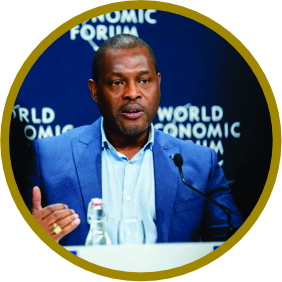
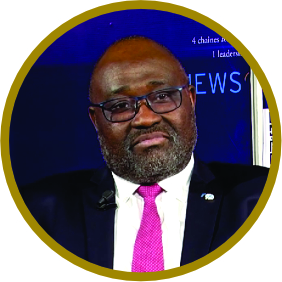
Author: Dr. William Kwende, Board Director Africa Investments,
Mentor and Impact Investor
Mentor and Impact Investor
Date: 26/1/2026
For many years, the relationship between Africa and the Gulf Cooperation Council (GCC) was mainly defined by diplomacy, trade, and occasional investment projects. There was a strong sense of political goodwill, and the cultural and historical connections were genuine. However, economic interactions often felt disjointed, more about individual projects than a cohesive strategy, more opportunistic than thoughtfully planned.
That era has come to an end.
Now, Africa and the GCC are experiencing a significant transformation in their relationship, evolving into what we can call a new investment framework, one that focuses on long-term goals, is driven by execution, and is becoming more institutionalized across both public and private sectors. This change isn’t just a small step; it’s a fundamental shift.
In the past decade, and especially since 2020, we've seen a significant shift in strategic interests focusing on Africa's exceptional role as the prime provider of essential minerals and fertile arable land. With the energy transition, food security, and industrial resilience now at the forefront of global concerns, Africa has become a vital ally in reshaping supply chains and developing long-term investment strategies.
Consequently:
• Africa's need for infrastructure, energy, logistics, industrialization, and digital connectivity has grown to a level that calls for a significant amount of patient, long-term investment.
• GCC countries, having established robust global financial, logistical, and industrial frameworks, are now on the lookout for diverse growth opportunities beyond their usual markets.
• Sovereign wealth funds, national champions, family offices, and private investors from the GCC are making a decisive shift from merely holding portfolios to engaging in direct, operational investments.
This alignment has led to the emergence of a new model: it’s not about aid or speculation anymore, but rather structured capital that comes with the capability to execute effectively.
Unlike previous investment trends, the current dynamic between Africa and the GCC is more than just a series of isolated deals. It’s evolving into a corridor, a steady stream of capital, projects, expertise, and governance frameworks that connect African markets with the financial and operational hubs of the Gulf. This new structure is characterized by several key features:
1. Scale over fragmentation GCC investors are increasingly on the lookout for substantial, consolidated opportunities, think energy platforms, logistics networks, industrial clusters, and national-scale digital infrastructure, rather than piecemeal, disconnected projects.
2. Execution as a core value These days, having capital isn’t enough to stand out. What the GCC offers is quick decision-making, a seamless EPC-finance capability, and the know-how to deliver complex assets even in tough environments.
3. Public-private coordination There’s a concerted effort among governments, sovereign funds, export credit agencies, and private operators. This collaboration minimizes risk, speeds up timelines, and enhances bankability.
4. Long-term horizon in contrast to short-term financial flows, this wave of investment is grounded in a 20 to 30-year outlook, perfectly aligned with infrastructure lifecycles, demographic growth, and industrial development.
As GCC economies continue to evolve, their national champions and private enterprises are now looking to invest capital on a global scale. This isn't just about diversifying their portfolios; it's about establishing leadership in industries that will define the future. Africa presents a unique opportunity for this ambition, with its diverse and rapidly growing markets, rich mineral resources, and extensive arable land. This environment allows Gulf companies to develop comprehensive value chains, from upstream to downstream, positioning themselves as competitive players on the world stage, whether in energy transition materials, industrial processing, or food security initiatives.
This synergy is why we’re seeing GCC investments in areas like:
• The energy transition and power infrastructure
• Ports, logistics, and trade routes
• Critical minerals and value addition
• Digital infrastructure, data, and emerging AI ecosystems
These aren’t just speculative investments; they’re foundational moves aimed at building robust systems.
In the past, a lot of African investments struggled to grow because of:
• Poor project preparation
• Misaligned risk sharing
• Slow decision-making processes
• Uncertain regulations
• Lack of coordination among stakeholders
The new Africa–GCC model tackles these issues directly by integrating:
• Initial project structuring
• Risk mitigation from sovereign and quasi-sovereign entities
• Standardized investment frameworks
• Institutional intermediaries that connect governments, investors, and operators
This is how relationships evolve into solid frameworks.
In this light, initiatives like the Africa–GCC Council are far from just symbolic. They play a structural role, aimed at:
• Aligning African public priorities with the capital strategies of the GCC
• Preparing projects to meet international investment standards
• Mobilizing entrepreneurs, governments, and financiers around common execution agendas
These platforms are evolving into the vital connections within the new Africa–GCC investment ecosystem.
That’s why events like the AIM Congress, set to take place in Dubai in April 2026, are so important. They’re not just platforms for making announcements; they’re key moments where strategies are put to the test, partnerships are solidified, and investments are made.
For African governments and entrepreneurs, the message is straightforward: being prepared, scaling up, and being ready to execute are now essential for engagement. For investors from the GCC, the opportunity is just as clear: Africa is no longer just a side note in investment plans, it’s a central hub for growth.
The blueprint for a fresh investment partnership between Africa and the GCC is currently being shaped right before our eyes. It's no longer a matter of whether this economic corridor will shape the next decades of growth, but rather how it will. AIM 2026 will act as the strategic hub where leaders from both regions come together, not just to observe this evolving landscape, but to truly understand and navigate whilst creating lasting partnerships.
That era has come to an end.
Now, Africa and the GCC are experiencing a significant transformation in their relationship, evolving into what we can call a new investment framework, one that focuses on long-term goals, is driven by execution, and is becoming more institutionalized across both public and private sectors. This change isn’t just a small step; it’s a fundamental shift.
From bilateral diplomacy to strategic capital alignment
In the early days of Africa-GCC relations, the focus was mainly on state-to-state diplomacy, development aid, and selective trade in areas like hydrocarbons, agriculture, and construction services. While these interactions were significant, they often fell short of creating scalable investment ecosystems.In the past decade, and especially since 2020, we've seen a significant shift in strategic interests focusing on Africa's exceptional role as the prime provider of essential minerals and fertile arable land. With the energy transition, food security, and industrial resilience now at the forefront of global concerns, Africa has become a vital ally in reshaping supply chains and developing long-term investment strategies.
Consequently:
• Africa's need for infrastructure, energy, logistics, industrialization, and digital connectivity has grown to a level that calls for a significant amount of patient, long-term investment.
• GCC countries, having established robust global financial, logistical, and industrial frameworks, are now on the lookout for diverse growth opportunities beyond their usual markets.
• Sovereign wealth funds, national champions, family offices, and private investors from the GCC are making a decisive shift from merely holding portfolios to engaging in direct, operational investments.
This alignment has led to the emergence of a new model: it’s not about aid or speculation anymore, but rather structured capital that comes with the capability to execute effectively.
The rise of a deal-driven investment corridor
Unlike previous investment trends, the current dynamic between Africa and the GCC is more than just a series of isolated deals. It’s evolving into a corridor, a steady stream of capital, projects, expertise, and governance frameworks that connect African markets with the financial and operational hubs of the Gulf. This new structure is characterized by several key features:
1. Scale over fragmentation GCC investors are increasingly on the lookout for substantial, consolidated opportunities, think energy platforms, logistics networks, industrial clusters, and national-scale digital infrastructure, rather than piecemeal, disconnected projects.
2. Execution as a core value These days, having capital isn’t enough to stand out. What the GCC offers is quick decision-making, a seamless EPC-finance capability, and the know-how to deliver complex assets even in tough environments.
3. Public-private coordination There’s a concerted effort among governments, sovereign funds, export credit agencies, and private operators. This collaboration minimizes risk, speeds up timelines, and enhances bankability.
4. Long-term horizon in contrast to short-term financial flows, this wave of investment is grounded in a 20 to 30-year outlook, perfectly aligned with infrastructure lifecycles, demographic growth, and industrial development.
Why Africa now, and why the GCC
Africa, once seen as a land of future possibilities, is now making waves in the present. With strong demographic shifts, booming urban growth, rapid digital advancements, and the rise of homebred unicorns, the continent is delivering today.As GCC economies continue to evolve, their national champions and private enterprises are now looking to invest capital on a global scale. This isn't just about diversifying their portfolios; it's about establishing leadership in industries that will define the future. Africa presents a unique opportunity for this ambition, with its diverse and rapidly growing markets, rich mineral resources, and extensive arable land. This environment allows Gulf companies to develop comprehensive value chains, from upstream to downstream, positioning themselves as competitive players on the world stage, whether in energy transition materials, industrial processing, or food security initiatives.
This synergy is why we’re seeing GCC investments in areas like:
• The energy transition and power infrastructure
• Ports, logistics, and trade routes
• Critical minerals and value addition
• Digital infrastructure, data, and emerging AI ecosystems
These aren’t just speculative investments; they’re foundational moves aimed at building robust systems.
From projects to architecture: what is fundamentally different
In the past, a lot of African investments struggled to grow because of:
• Poor project preparation
• Misaligned risk sharing
• Slow decision-making processes
• Uncertain regulations
• Lack of coordination among stakeholders
The new Africa–GCC model tackles these issues directly by integrating:
• Initial project structuring
• Risk mitigation from sovereign and quasi-sovereign entities
• Standardized investment frameworks
• Institutional intermediaries that connect governments, investors, and operators
This is how relationships evolve into solid frameworks.
The role of institutions and platforms
As investment flows become more intricate and expansive, having neutral and trustworthy platforms is crucial. We need platforms that do more than just host discussions; they should actively shape pipelines, align interests, and turn conversations into real transactions.In this light, initiatives like the Africa–GCC Council are far from just symbolic. They play a structural role, aimed at:
• Aligning African public priorities with the capital strategies of the GCC
• Preparing projects to meet international investment standards
• Mobilizing entrepreneurs, governments, and financiers around common execution agendas
These platforms are evolving into the vital connections within the new Africa–GCC investment ecosystem.
A defining moment ahead
The shift from just having diplomatic relations to creating a whole new investment framework isn’t just a concept, it’s already happening. But for this framework to work, we need clarity, teamwork, and those pivotal moments when everything aligns.That’s why events like the AIM Congress, set to take place in Dubai in April 2026, are so important. They’re not just platforms for making announcements; they’re key moments where strategies are put to the test, partnerships are solidified, and investments are made.
For African governments and entrepreneurs, the message is straightforward: being prepared, scaling up, and being ready to execute are now essential for engagement. For investors from the GCC, the opportunity is just as clear: Africa is no longer just a side note in investment plans, it’s a central hub for growth.
The blueprint for a fresh investment partnership between Africa and the GCC is currently being shaped right before our eyes. It's no longer a matter of whether this economic corridor will shape the next decades of growth, but rather how it will. AIM 2026 will act as the strategic hub where leaders from both regions come together, not just to observe this evolving landscape, but to truly understand and navigate whilst creating lasting partnerships.




 Advertisement
 Advertisement
 Advertisement
Dubai Headquarters
Opal Tower, Business Bay,
10th Floor
Dubai
International Offices
Luanda - Angola


- © 2026 Copyright Africa GCC - Council
- Disclaimer
Powered By
